Description
They called her a bad omen. She built a sanctuary for every woman who was told to be silent.
At twenty, Neelima has a degree, a crimson bedroom and a gold mangalsutra. At twenty-one days of marriage, she has none of them. A truck on a blind curve takes her husband, and the family that welcomed her with marigolds now looks at her as if she were a stain on the floor. In their eyes she is a curse, a bad omen, a girl whose arrival brought death into the house.
Neelima could have disappeared. Instead she writes.
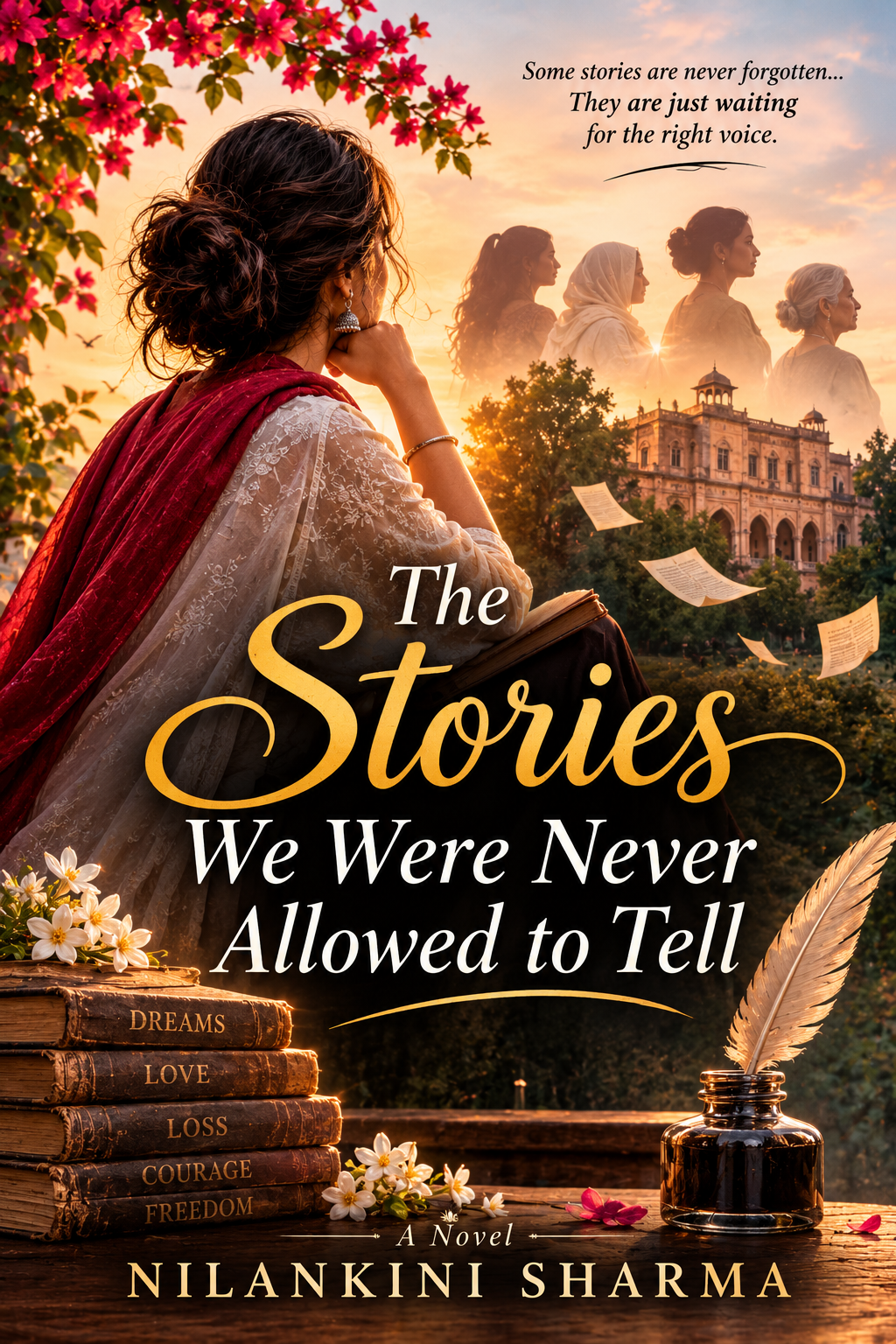
Her first draft is so honest that her agent warns her it is too honest to ignore. It becomes a book, then a small writing center, then a gathering place for women who have spent their lives being told that their stories don’t count: domestic workers with notebooks hidden in their saris, daughters of landlords, widows, elderly women with ledgers of grief they have never shown anyone. They write, they argue, they stitch, they plant, they archive. And everyone around them has something to say about that. Politicians want credit. Foundations want metrics. Developers want the land. Even the women’s own families want them to stay quiet.
Across decades, Neelima must decide again and again what the sanctuary is for, who has the right to speak for it, and what it should refuse even at great cost. Along the way she confronts the in-laws who cast her out, finds an unexpected kind of forgiveness, and learns that the hardest thing to build is not a movement but a place where no one has to be the hero.
Warm, patient and quietly defiant, The Stories We Were Never Allowed to Tell is a sweeping novel about writing as survival, memory as evidence, and the women who keep the thread so that others can find their way.